No. 14, But Make It Cornwall: The Delusional Art of the British House Name
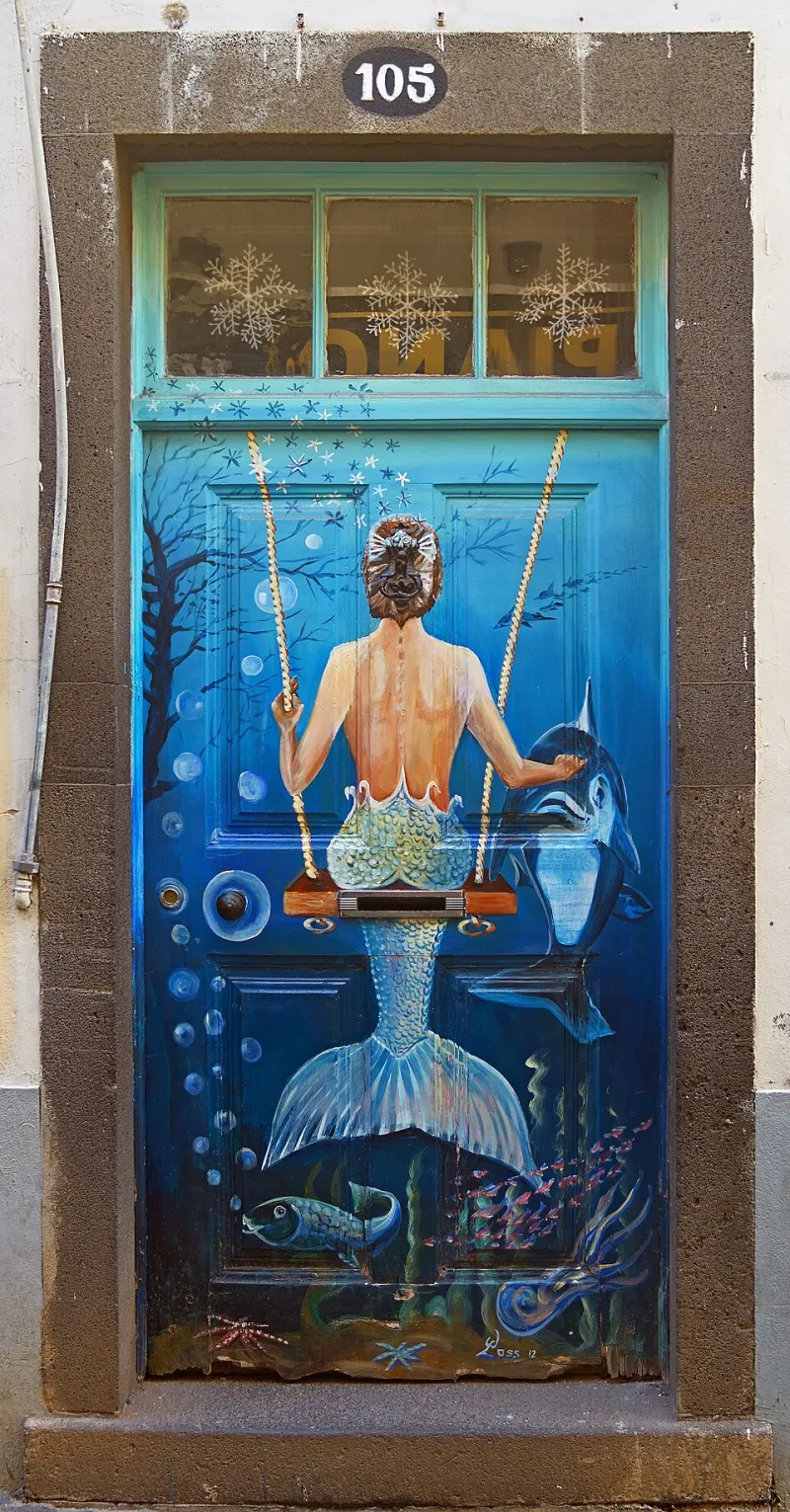
Photo: Photograph: Ввласенко Painting: Wolfgang Lass (2012) (archive), CC BY-SA 3.0, via Wikimedia Commons
There are two types of British homeowner. The first accepts that their house is a number and gets on with their life. The second commissions a laser-cut slate plaque reading 'Dunroamin' and spends the next decade defending it to a bemused postman. This is not a criticism. It is a field guide.
The Painted Plaque Economy
Somewhere between the front door and the recycling bin, Britain has built a thriving micro-industry of painted names. It is a world of brushed script, tiny camping motifs, and the quiet conviction that 'No. 14' is simply not enough of a personality. The plaque says: this is not just a building. This is a lifestyle. This is a dream. This is a two-bedroom semi with a loft conversion and a name that suggests a gated estate in the Cotswolds.
The great British house name is never just a label. It is a short story. 'Dunroamin' tells you the owners have finished renovating, which is a lie, but a charming one. 'Dunwurryin' tells you they have not finished renovating and have decided to make it the brand. 'Sea View' tells you the sea is visible from the upstairs landing if you stand on a stool and squint through next door's conservatory. 'The Cedars' tells you there is one tree, and it is not a cedar.
A Field Guide to the Great British House-Name Genres, Ranked
Let us begin with the classics, ordered from most delusional to most forgivable. This is not science. It is closer to archaeology, if archaeologists spent more time judging fonts.
- The Scottish Pastoral. 'Dunroamin', 'Dunwurryin', 'Wee Hame', 'Tumbleweed'. This is the top tier of aggressive optimism. The name suggests heather, weather, and a Labrador. The reality is a pebbledash semi near a bypass. Still, there is a poetry to it. 'Dunwurryin' is not a house name; it is a coping strategy with a comma.
- The Coastal Fantasist. 'Sea View', 'Ocean Breeze', 'The Anchorage', 'Saltwhistle'. These names arrive with a mental image of gulls and driftwood. The actual view is a wheelie bin, a neighbour's trampoline, and a puddle with ambitions. The sea is 43 miles away. The plaque does not mention this.
- The Rural Romantic. 'The Cedars', 'Orchard House', 'Meadow Rise', 'Honeysuckle Cottage'. One apologetic shrub, a patio, and a roundabout. 'Orchard House' has never seen an apple that was not in a crumble. 'The Cedars' is a single conifer that the previous owner planted in 2011 and immediately regretted.
- The Mediterranean Pretender. 'Casa Mia', 'Villa Rosa', 'Costa del Slough'. This is a bold genre. It takes a British weather system and a British postcode and dresses them in a linen shirt. You have to respect the commitment. The name says 'sangria at sunset'. The name does not say 'drizzle at 4pm'.
- The Heritage Bluffer. 'The Gables', 'The Old Forge', 'The Coach House', 'Manor Croft'. Built in 1987. Has uPVC windows and a garage conversion. The name is doing a lot of heavy lifting, but it is lifting with style. Every estate agent in Britain has used the phrase 'full of character' for a house called 'The Old Forge' that has never forged anything except a gas boiler certificate.
- The Whimsical. 'Pixie Hollow', 'Dragon's Den', 'Shangri-La', 'Happy Days'. These names are not trying to fool anyone. They are trying to make the Amazon driver smile. Sometimes that is enough.
Fonts, Fixings and the Tyranny of the Script
The house name is only half the story. The other half is typography. Britain has strong opinions about this, even if it does not know it. The brushed script says: we have been to a garden centre and we mean business. The copperplate says: we are pretending to be minor aristocracy. The Comic Sans says: we are lovely, chaotic, and have no regrets. The laser-cut slate says: we have a Pinterest board called 'Exterior Dreams'.
There is also the question of placement. A good house name plaque sits at eye level, slightly to the left of the door, ideally near a potted bay tree. A bad one covers the house number entirely, forcing delivery drivers to ring three doorbells and develop a personal grudge. The number is not just a number. It is a public service. Hiding it beneath 'Dunwurryin' is a design crime with real-world consequences.
Why We Insist on the Fantasy
In 2026, the plaque economy is still thriving. You can order a custom slate sign before your tea goes cold. You can choose from forty fonts, six sizes, and a range of brackets that promise not to rust, but will. The appeal is obvious. A house name is a tiny act of control. It says: I may not be able to fix the boiler, the parking, or the fact that next door's extension overlooks my bath, but I can decide that this building is called 'Sea View'. And if I say it often enough, perhaps the sea will hear me.
It is also deeply British. We love a polite fiction. We love a sign that says one thing while the reality says another. We love the gap between the aspiration and the pebbledash. The house name is not a lie. It is a mood board. It is a vision statement. It is a small, painted rebellion against the tyranny of the Ordnance Survey.
So here at Mad Lad Designs, we salute the plaque people. The Dunroamins. The Sea Viewers. The owners of 'The Cedars' with their one brave shrub. You are not fooling anyone, but you are making the street more interesting. And frankly, No. 14 could learn a thing or two from you.