Silly Name, Serious Money: The Lost Art of Christening Your Side Hustle Something Utterly Ridiculous
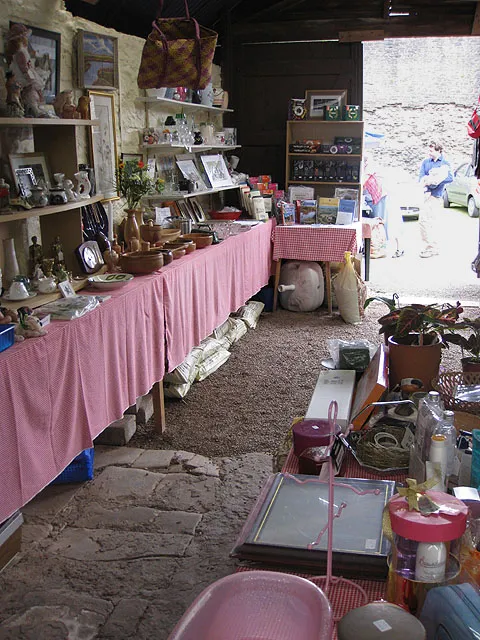
Photo: Pauline Eccles, CC BY-SA 2.0, via Wikimedia Commons
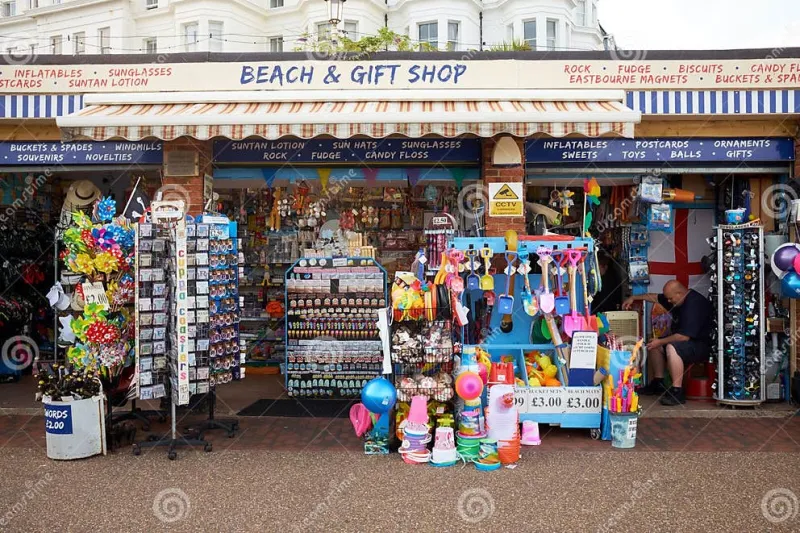
There is a plague sweeping British high streets, and it isn't litter or vape shops. It's the small business with a name so beige it could apply for a job at a planning department.
You know the ones. The Little Gift Company. Coastal Home Interiors. Bespoke Botanicals Ltd. Names that sound like they were workshopped by four people named Claire over a Zoom call that could have been an email. Names that whisper rather than shout. Names that, crucially, you will forget by the time you've closed the tab.
We say: enough.
The Golden Age of the Daft Name
Britain once ruled the world of gloriously silly business names, and the evidence is still out there if you know where to look. Consider the classics: a tie shop called Dicky Bow Ties (a pun doing more heavy lifting than most marketing departments manage in a fiscal year). A building firm trading as Crap Constructors — which, admittedly, raises questions about confidence in their own product, but you remember it. A chippy called A Salt and Battery. A hairdressers called Curl Up and Dye.
These names did something remarkable: they turned a customer into a storyteller. Nobody ever turned to a mate and said, "You'll never guess what this shop's called — Independent Gift Retailer." But they absolutely will cross a road to show someone Frying Nemo.
Why Nonsense Works (A Scientific Bit)
Alright, it's not science, but bear with us. There are three reasons a daft name outperforms a sensible one in the UK market:
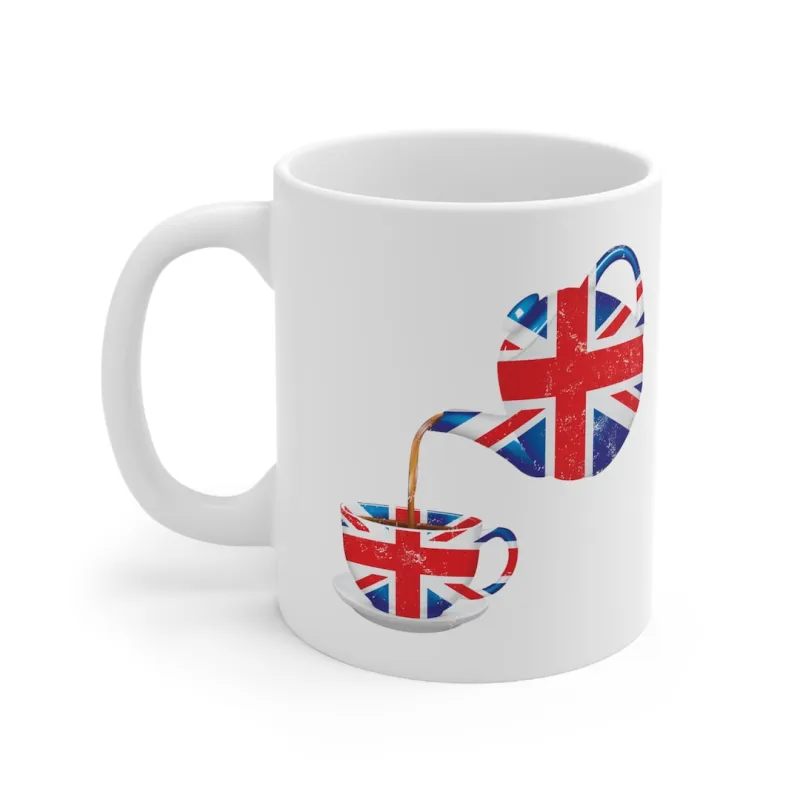
1. The Comedy Premium. Brits will pay extra for something that makes them laugh. It's the same reason a mug that says "World's Okayest Golfer" outsells a plain mug at three times the price. The joke is the product.
2. Memorability Is Free Marketing. A silly name is a name people repeat. Every retelling is an advert you didn't pay for. "Premium Apparel Co." gets filed under "some shop, I think?" — "Brilliant Bang T-Shirts" gets quoted in a group chat.
3. It Filters Your Customers. If someone is put off by a daft name, they were never your customer. You've just saved yourself the trouble of a difficult returns process.
The Mad Lad Naming Formula
Right, you're convinced. Here's how to christen your venture properly. Grab a pen.
Step 1: State what you do. Boring but necessary. T-shirts. Cakes. Fences.
Step 2: Add a British-ism. Bangin', proper, daft, cracking, mint. "Bangin' Cakes."
Step 3: Find the pun. This is where the magic happens. Bakers: Flour Power. Dog groomers: The Bark Side. Gardeners: Lettuce Turnip the Beet. If the pun makes one person groan and another person snort, you've nailed it.
Step 4: The self-deprecation test. The very best British business names have a whiff of "we know exactly what this is." Crap Constructors again — brave, honest, unforgettable. A bit of modesty is the most British thing you can put on a shop sign.
Step 5: Say it out loud at the pub. If the person next to you laughs, you're done. If they look concerned, add another pun and try again.
Honourable Mentions: The Hall of Fame
A quick tip of the cap to some all-time greats of the genre:
- Tequila Mockingbird (bar) — literary and liquid
- Floral Hardcastle (florist) — for the telly fans
- Lettuce Eat (salad bar) — simple, effective, groan-inducing
- Sofa King Good Furniture — legally bold, commercially questionable, spiritually perfect
In Conclusion: Be the Bang
Your side hustle is presumably something you started because you wanted a bit of joy in your life, not a second job that feels like a spreadsheet. So why would you name it like a regional insurance firm?
Call it something daft. Call it something that makes your nan sigh. Call it Brilliant Bang T-Shirts and watch people tell their mates about it for free.
Proper daft names, for proper brilliant people. That's the whole business model, really.